Browse Category

Teaching and Learning

A National Day on Writing

Faculty and staff publications table

October 29, 2009 marked the first annual National Day on Writing. The National Council of Teachers of English (NCTE) established National Writing Day to explore and celebrate the place of writing in our lives. The US Senate even took a few minutes to pass a resolution declaring the National Day on Writing. The idea is a good one, as people are writing more than ever before –in multiple media and for different purposes and audiences.  Clear and effective writing, moreover, is indispensible for full and meaningful participation in civic and professional life.

The Writing Task Force at Keene State College participated in this national celebration by offering the College community an opportunity to showcase our personal and professional writing. We designed “Keene Writes” to showcase the diverse forms of writing produced by faculty and staff. A table at the center of the room was filled with books, journal articles and other writing; we featured excerpts from the blogs of faculty and staff; Jeff Friedman, one of the accomplished writers on our faculty, led workshops on poetry writing; and we staged a headline writing competition, a cartoon caption and a six-word memoir contest.

The event was a success. Over three hundred people visited the Mountain View Room in the Student Center. The premise that people are writing more than ever before—that writing is a daily activity that contributes to personal, professional and civic life—was exemplified by our participation in the National Day on Writing. The members of the Writing Task Force are already looking ahead to next year with plans to feature staff, faculty, and student writing with our ongoing commitment to strengthening the culture of teaching and learning at Keene State College through writing.

The Keene is Blogging board

To extend the exploration and celebration of writing through June 2010, my colleague Katherine Tirabassi set up two archives at the NCTE Gallery of Writing to feature work at Keene State College: a gallery for student writing at http://galleryofwriting.org/galleries/633720/ and a gallery for faculty and staff at http://galleryofwriting.org/galleries/627684/. If you are a student, faculty or staff member, please consider submitting something to one of the archives.

Know Thyself

ripinski.trail

What is English? This question is at the center of a conversation that has been unfolding since I arrived at Keene State College in 1998. Provisional answers to the question, as well as the multiple ways the question can be answered, have motivated changes in how we conceive and deliver our undergraduate program. How do we cultivate careful reading and the use of literary vocabulary? How do they experience the process of writing about literature and culture and learn to use writing for a range of expressive and persuasive purposes? How do wehelp students understand the ways historical, social, and cultural contexts shape literary works?  In what ways are students introduced to those works in literary and expressive traditions produced by cultures whose collective humanity and aesthetic identity have been historically devalued, denied, or dismissed? How do students come to understand literary genre? How literary works relate intertextually? How the history of language has affected the development of literature? In what ways arestudents exposed to the history of criticism and critical theory, its application in literary analysis as well as current scholarly debates in the field of English studies?

For the past ten years our thinking about (and as) a program has been motivated by a desire to improve conditions for ripinski.5student learning and, at the same time, ameliorate the difficult working conditions faculty face. New members of our department have invigorated this discussion in collaboration with those who have been at the College for some time. And College-wide curricular changes (that English, in part, initiated) have transformed the work that we do.  As a result, we now share the responsibility for a program that grows out of the ongoing and ever-present questions about English as a field of study.

I’ve been thinking about all of this over the summer as the primary author of the English department’s Self Study. For those reading who are not aware, college and universities undertake a self study every ten years or so. The University System of New Hampshire policy requires the Academic Overview Committee (AOC), which reports to the Keene State College Senate, to oversee and facilitate program review on our campus. The purpose of the academic overview process is to evaluate the strengths and challenges of the academic programs and its current and projected resource needs. Program review includes self-analysis by members of the program, external peer review, evaluation by the Academic Overview Committee, and response from the administration.

ripinski.8

So, what is English? Well,  The StoryI tell in this attached excerpt from the forty page document gives an overview of who we say we are and the history of the program, and might be of interest to anyone curious about English at Keene State College. The conversations around our central question are intense, ongoing, and deeply engaging. While we may not have a definitive answer to the question (in fact, we might want to question the value of such a thing), we are always working to articulate the reasons why we have the program we have–among ourselves, with our students and to the others who support the work that we do.


Island Time

From Lynchburg, Virginia, en route from Seattle to Victoria, British Columbia, on my way to the eighth biennial conference of the Association for the Study of Literature and Environment. There are over six hundred and fifty attendees this year, from twenty-eight countries. We’ve gathered by plane and ferry to the University of Victoria (“U-Vic”) to share our work in the field of environmental writing and literature.

victoria 008Teresita Fernandez, “Seattle Cloud Cover”

I arrive on the Victoria Clipper, a boat passage we never did during our years in Seattle. A number of ASLE folk are on the afternoon boat that departs from Pier 69. It is good to be out on the water again, with the Cascades and the Olympics lingering in the distance. I am reminded of kayak trips in these waters as we cruise along Whidbey Island and then out into open water. When we arrive in Victoria in the evening we flag down a blue Prius cab that takes us to the University where we settle into the residence halls and townhouses on one side of the campus.

victoria 027One of many rabbits on the U-Vic lawns

I spend my first full day on the island at the ASLE Executive Council meeting and then, in the afternoon, help to facilitate a pre-conference workshop on the academic job search. The following day I am part of a roundtable for graduate students—“Finding Your Niche: Thoughts on Negotiating the Job Market”—where I share some of my experiences as a graduate student, job candidate, faculty member, search committee member and department chair. As the Coordinator of the ASLE Mentoring Program, I organize mentoring meetings, and on Wednesday I conduct one of these meetings with a post-doctoral instructor at Stanford University.

victoria 020John Felstiner and Lynn Keller near the summit of Mt. Finlayson

On Friday afternoon I join a group of about fifteen or twenty on an afternoon walk up Mt. Finlayson—one of the highest points in Southern Vancouver Island.  John Felstiner and I enjoy an hour-long afternoon conversation about poets and poetry as we pick our way down from the rocky summit and under the canopy of evergreens. Then, on Saturday, I co-faciltate a wonderful half-day workshop with my colleague John Tallmadge. “Staying Alive: A Workshop for Academic Professionals” brought together a group of fifteen or so faculty to discuss academic life. John’s summary of our meeting is available on our Staying Alive blog.

victoria 007Sculpture on the Seattle Waterfront, near Pier 69

In and around these meetings were numerous conversations, meals with colleagues and friends, an author’s reception (where we had copies of Teaching North American Environmental Literature available) and a wonderful donwtown dinner with K and I and M and J. ASLE  is a remarkable thing, and I am deeply grateful to the commitments I share with this wily group of teachers and scholars devoted to the environmental humanities. Since the inception of our organization, we’ve diversified our membership and the program reflects a vibrant field of intellectual work. Every time I get together with these people, I come away renewed by the ideals that motivate our lives as teacher, readers and writers.

summer09 040A pre-conference afternoon kicking steps in the Tatoosh range, south of Mt. Rainier

The Canadian venue for this 2009 ASLE gathering has been especially rewarding for me, as I was among a group who advocated for a Canadian site on the ASLE Executive Council many years ago. Our conference organizer, Dan Philippon, and our co-organizer and host, Richard Pickard, have done a beautiful job  keeping us all headed in the  right directions and encouraging us to best use our limited time here. Kudos!

Crossing Brooklyn Ferry

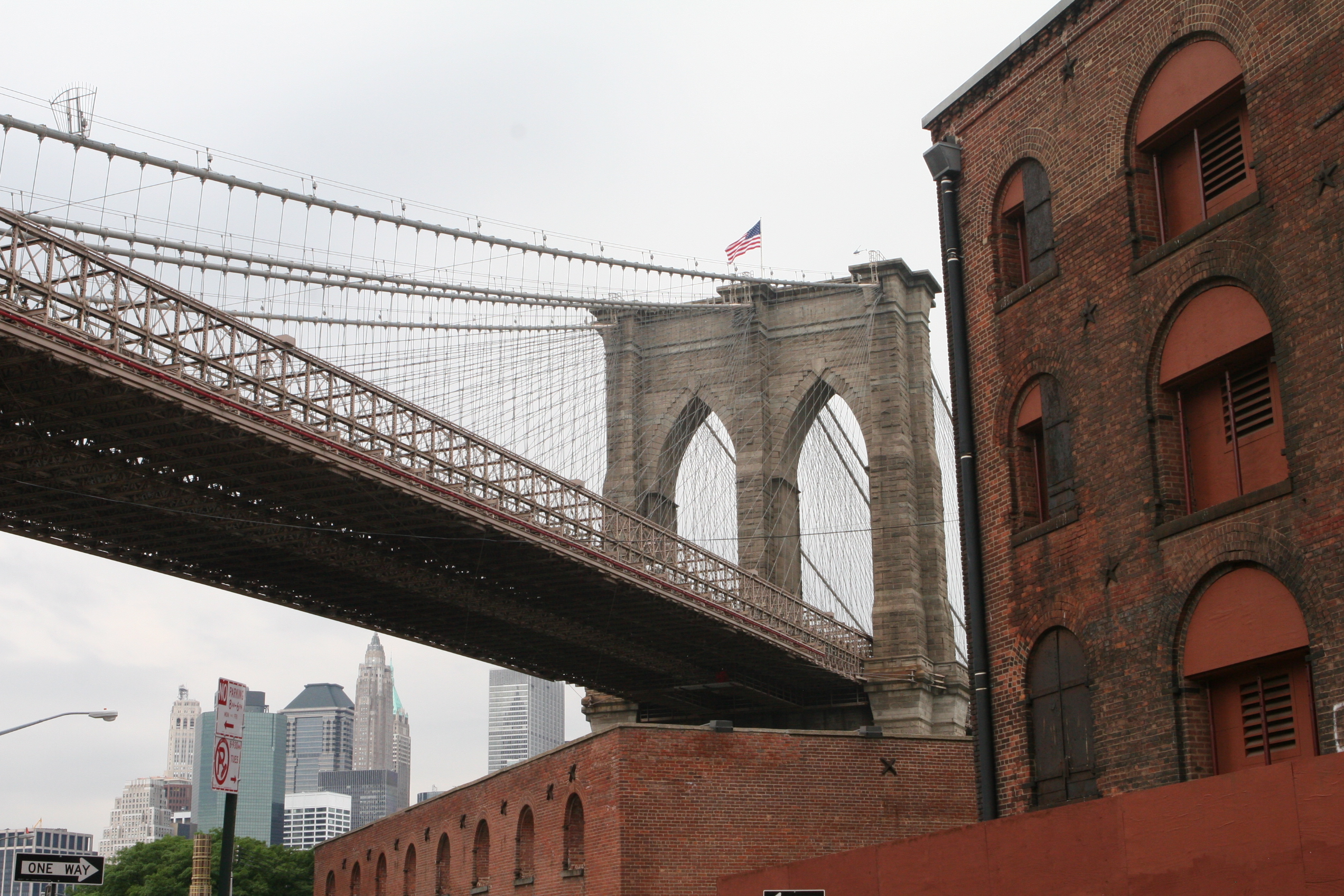
Brooklyn Bridge

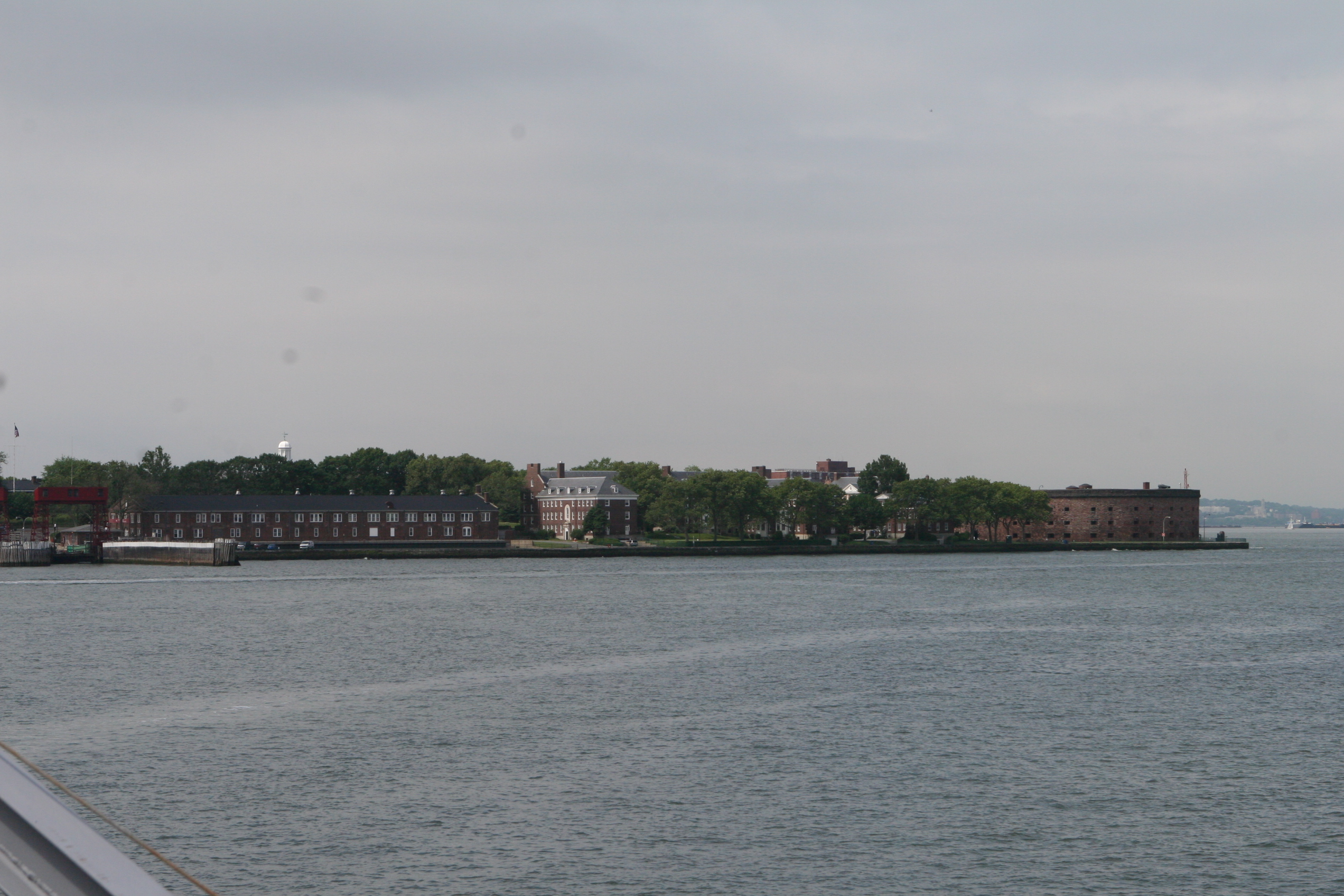
From New Hampshire, where I am teaching a seminar on the poetry and prose of Walt Whitman, to Brooklyn for a weekend arts festival on Governor’s Island with L and D. The Figment festivities are a ferry ride away and so, I am indeed crossing (though across to a different island) by ferry and thinking about the good fortune of finding myself here with Whitman muttering in my head. “The crowds of men and women attired in the usual costumes,” how curious they would be to Whitman today, with painted faces and fairy wings. (A write up appears in the Brooklyn Daily Eagle.) But of course Whitman was a step ahead, for as he put it, “And you that shall cross from shore to shore years hence are / more to me, and more in my meditations, than you might suppose.”

Figment: What will you bring?

This coming week we will be reading the “Calamus” and “Children of Adam” poems and thinking together about what Whitman called “fervid comradeship,” the “adhesive love” Whitman contrasts with the “amative love” that he describes (in his 1871 essay “Democratic Vistas” as “the counterbalance and offset of our materialistic and vulgar American democracy, and for the spiritualization therof.” But I am here, on a ferry, and I keep hearing Whitman.

Others will watch the run of the flood-tide,

Others will see the shipping of Manhattan north and west, and
the heights of Brooklyn to the south and east,

Others will see the islands large and small;

Fifty years hence, others will see them as they cross, the sun half
an hour high,

A hundred years hence, or ever so many hundred years hence,
others will see them,

Will enjoy the sunset, the pouring-in of the flood- tide, the falling-
back to the sea of the ebb-tide.

Sure enough, we are watching and seeing.

The joys of barbaric yawps

If only Whitman could wander among the crowds on these rainy June days in 2009. “Not those — but, as I pass, O Manhattan! Your frequent and swift flash of eyes offering me love, / Offering me the response of my own — these repay me.” Indeed.

Governors Island from the Manhattan Ferry

A Keynote Address

It is the end of May and I am up early running in the Virginia woods near the campus of Lynchburg College. It is humid, not too warm, and I’ve found my way to a trail that winds its way beneath a canopy of oak trees. A white tail deer bounds across the trail, two black feral dogs skitter away as I come into view and catch the scent of a rotting carcass, and I stop to admire the intricate orange streaks on two good sized painted turtles in the trail.

summer09 028

I am in Virginia as one of three invited speakers for the conference “3-4  Hour: Conversations on Moving to Four Credit Hour Courses.  The conversations among the faculty and staff teams from a range of institutions are familiar to me. The same questions, problems and concerns, the same sense of excitement and sense that we might indeed be doing things differently, perhaps even better, for our undergraduate students—the kinds of conversations we have been having at Keene State College. The conference appears extremely productive for participants as they weigh the promises and the potential pitfalls of transforming their curricula. One of the strengths of the conference is that the colleges represented are at all stages of the process—from exploring the idea of four-credit hour courses to having already decided to move to four-credit hour courses. In my keynote is to tell the story of Keene State College and to speak from my role as one of the faculty members who worked to create the four-credit English proposal and then helped the campus move toward a predominantly four-credit hour curriculum.

summer09 034

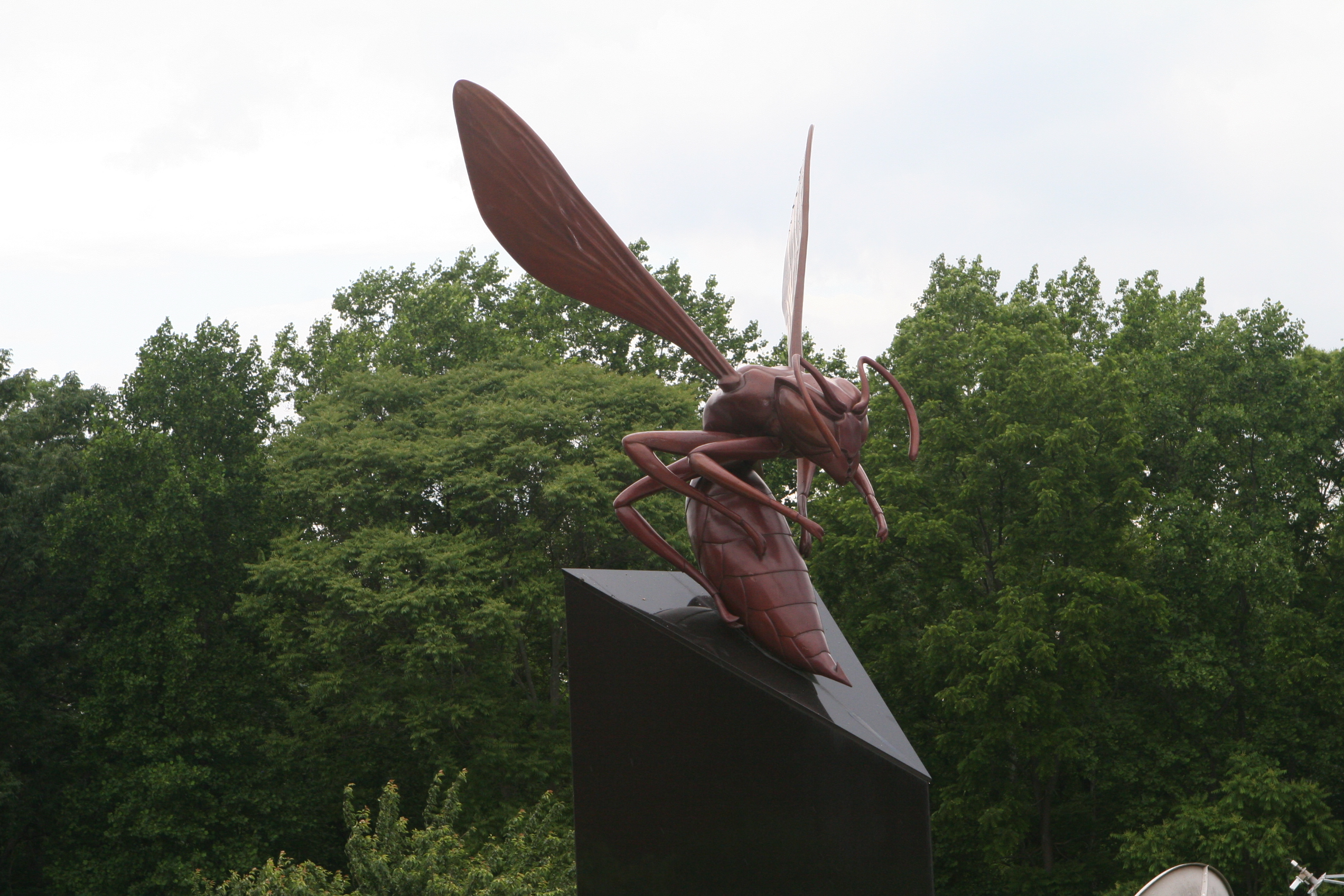
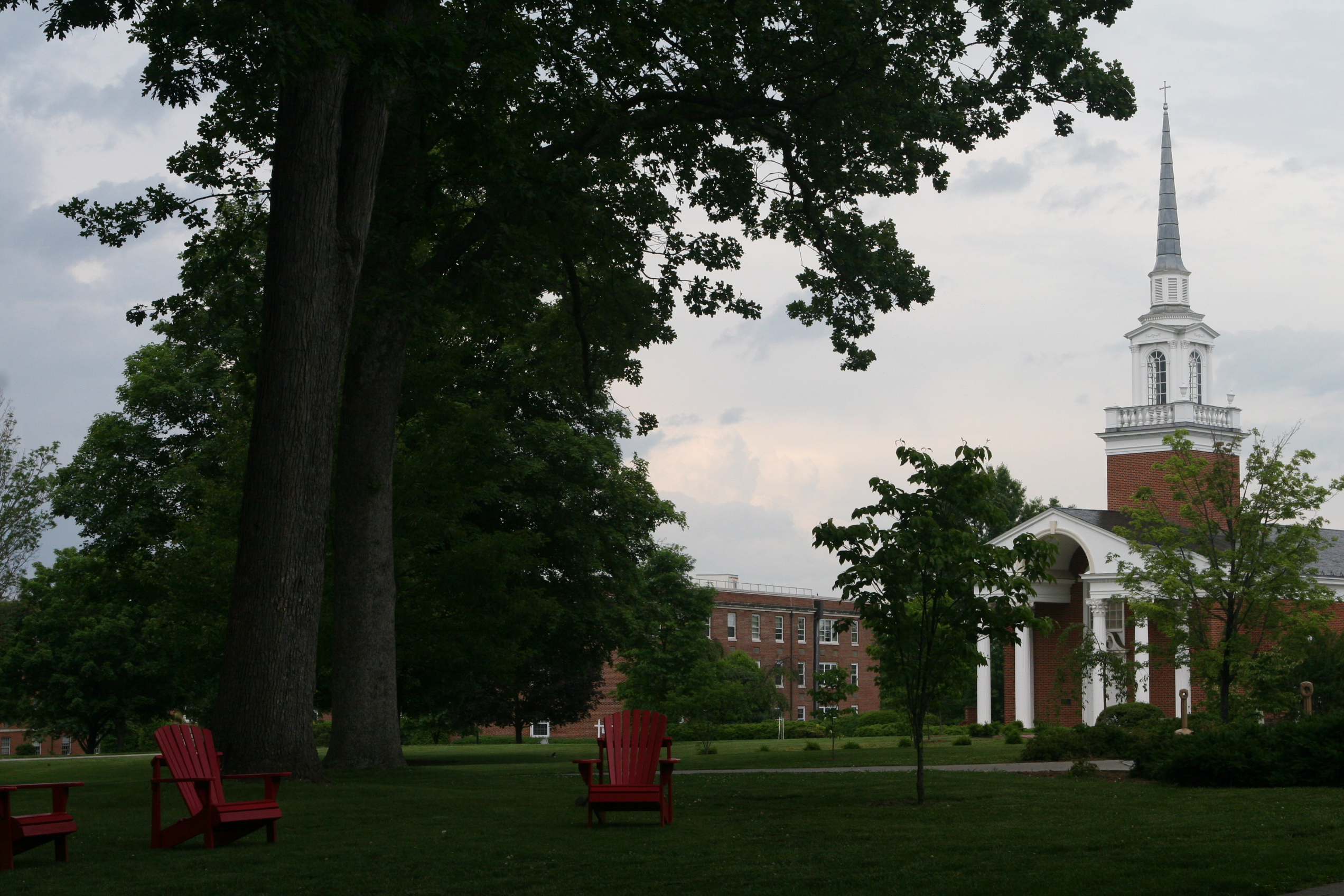
Lynchburg College is a very congenial place—the green grass of the Dell, stately Georgian-style buildings of red brick and white columns, the home of the fighting hornets (“the stingers”). The banners on the Dell say “Above and Beyond,” the marketing tag that captures the Lynchburg brand. Lynchburg, the college brochure says, is a “place to call home,” nestled below the Blue Ridge Mountains. Lynchburg is also the home of Falwell’s Liberty University and the Thomas Rhodes Baptist Church (which we drive by on the way to an Indian dinner on Saturday night)—ground zero of the religious right during the so-called culture wars that flared in the 1980s. Earlier in the twentieth century, Lynchburg was the home of the poet Anne Spencer, who was a friend and contemporary of Langston Hughes, W.E.B. Du Bois, Paul Robeson and James Weldon Johnson.